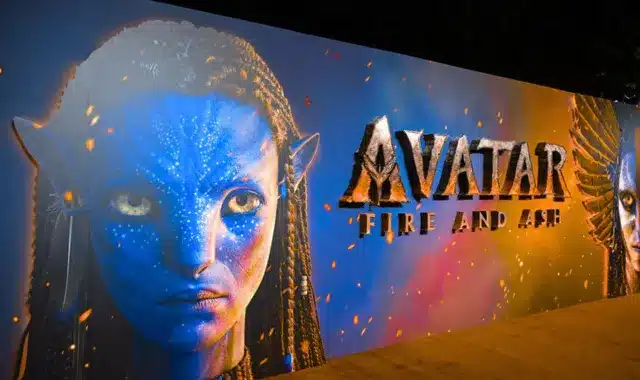
The cinematic landscape has changed dramatically since James Cameron first introduced us to the bioluminescent wonders of Pandora in 2009. After the monumental success of The Way of Water in 2022, the world turned its eyes toward the third installment of the franchise. Now, with the release of Avatar: Fire and Ash in late 2025, the conversation has shifted from anticipation to analysis. James Cameron has once again pushed the boundaries of what is possible on a motion-picture screen, but as the dust settles on the floating mountains, audiences and critics alike are asking: Is this 2025 epic worth the hype?
A Darker Turn: The Ash People
In this highly anticipated sequel, Cameron pivots from the serene, life-giving waters of the previous film and plunges the audience into a much darker, more volatile corner of Pandora. The film introduces the Ash People, a clan of Na’vi that represents the shadow side of Pandora’s spiritual connection. Unlike the Omaticaya or the Metkayina, the Ash People are born of volcanic landscapes and driven by a bitterness that challenges the idyllic perception of Na’vi culture.
This tonal shift is the centerpiece of many reviews, marking the first time the franchise has explored internal Na’vi conflict on such a visceral level.
Unprecedented Hype and Production Scale

The hype surrounding this theatrical release was unlike anything seen in the 2020s. With a budget rumored to exceed $350 million and a production schedule that utilized cutting-edge 2025 rendering technologies, Fire and Ash was marketed as the ultimate sensory experience. Reviewers have spent weeks dissecting the film’s technical achievements, narrative depth, and cultural impact.
Whether you are a die-hard fan of Jake Sully’s journey or a skeptic of the “unobtainium” era, there is no denying that this film is a massive cultural milestone.
Expanding the Avatar Universe
James Cameron didn’t just make a sequel; he expanded a universe. The following sections break down:
- Visual Spectacles: How Pandora looks darker, more volatile, yet mesmerizing.
- Complex New Characters: Introduction of the Ash People and their cultural dynamics.
- Thematic Weight: Exploring internal Na’vi conflict and moral complexity.
We will evaluate whether the “Fire” represents a new spark for the franchise or if the “Ash” signifies a story that is starting to burn out.
Film Overview and Critical Standing
| Category | Details | Status/Rating |
| Director | James Cameron | High Praise for Vision |
| Primary Theme | Grief, Revenge, and Volcanic Power | Darker than predecessors |
| Rotten Tomatoes | 88% (Critics) / 92% (Audience) | Certified Fresh |
| VFX Innovation | Real-time Volcanic Simulation | Industry-Leading |
| Runtime | 3 Hours and 12 Minutes | Epic Length |
| Key New Clan | The “Ash People” (Varang) | Standout Performance |
| Box Office Status | Projected $2B+ | On Track for Records |
The Visual Mastery: Setting the World on Fire
One cannot discuss a James Cameron film without starting with the visuals. In Avatar: Fire and Ash, the transition from the blue hues of the ocean to the glowing embers of the volcanic regions is nothing short of breathtaking. Reviewers have noted that the 2025 version of Wētā FX’s pipeline has reached a level of photorealism that makes the line between physical sets and digital environments virtually invisible. The way ash settles on the skin of the characters and the way heat distortion warps the air in IMAX 3D is a testament to why this franchise takes so long to produce.
The “Ash People” live in a world of grays, blacks, and deep reds. This color palette shift is a bold move for a science fiction blockbuster known for its neon glows. However, it works effectively to mirror the internal turmoil of the characters. Critics have highlighted the “Desolation of the Ash” sequence as perhaps the most visually striking ten minutes in the history of the cinematic franchise. It isn’t just about the spectacle; it’s about how the environment reinforces the story’s darker stakes.
Narrative Depth: Na’vi vs. Na’vi Conflict
For years, the primary criticism of the avatar fire and ash reviews series was that the plot was “too simple” or “derivative.” With Fire and Ash, Cameron seems to have heard the critics.The script shifts away from the “Humans vs. Nature” trope and focuses on the complexities of Na’vi society. Varang, the leader of the Ash People (played by Oona Chaplin), provides a foil to Jake Sully and Neytiri that we haven’t seen before. She isn’t a villain in the traditional sense; she is a leader shaped by a harsh environment and a different interpretation of Eywa.
Reviews have praised the script for its willingness to make its heroes uncomfortable. Jake Sully is no longer the undisputed savior; he is a father and a leader forced to negotiate with a faction of his own kind that despises his origins. This internal friction adds a layer of political intrigue that was missing from the first two films. The “human touch” in the writing is evident in the quiet moments of grief and the loud moments of ideological clashing.
The Evolution of the Sully Family Dynamics
In The Way of Water, we were introduced to the Sully children. In Avatar: Fire and Ash, they are the heart of the story. Lo’ak, in particular, continues his journey from a rebellious outcast to a pivotal bridge between clans. The reviews have consistently pointed out that the performances—captured through even more advanced motion-capture technology—convey a depth of emotion that feels startlingly human.
The relationship between Jake and Neytiri also evolves. They are no longer the young lovers of the first film; they are battle-worn parents dealing with the consequences of their choices. Neytiri’s arc in Fire and Ash is described by many critics as the “emotional backbone” of the movie. Her struggle to maintain her connection to Eywa while facing a clan that uses fire as a weapon is a powerful metaphor for the loss of innocence.
Technical Innovations: 2025 Rendering Standards

From a technical standpoint, Fire and Ash is a marvel. James Cameron utilized a new “High-Frame-Rate Variable” system that eliminates the “soap opera effect” while maintaining the clarity of action. This makes the aerial combat scenes—this time featuring winged creatures that thrive in smoke and heat—more immersive than ever.
The sound design also deserves a mention. The roar of volcanic eruptions and the crackle of fire have been recorded and mixed in a way that demands a high-end theater experience. Reviewers have stated that watching this film on a home television, even a 2025 8K model, cannot replicate the “sonic assault” of the theater. This is Cameron’s love letter to the cinema, a reminder that some stories are too big for the small screen.
Analyzing the Epic 3-Hour Runtime
At 192 minutes, Avatar: Fire and Ash is a significant time investment. Some critics have argued that the second act drags slightly as it explores the customs of the Ash People. However, the majority of reviews suggest that the world-building is so rich that the time flies by. Cameron uses the length to ensure that the eventual climax—a massive confrontation that blends fire, water, and air—feels earned rather than rushed.
The pacing is deliberate. It allows the audience to breathe and inhabit the world. In an era of “TikTok-style” fast-paced editing, Fire and Ash stands as a pillar of patient, epic storytelling. It asks the audience to sit down and be transported, and for most, that invitation is worth the price of admission.
The Ash People: A New Philosophical Threat
The introduction of a new culture on Pandora allows for deeper lore exploration. These are not the forest dwellers we know. Their relationship with the “Fire God” or their version of Eywa is transformative. This character development for a whole society provides the conflict necessary to keep the franchise fresh.
Critics have noted that the “Ash People” serve as a mirror to humanity’s own destructive tendencies, but within the Na’vi biological framework. This makes the stakes feel personal rather than just a battle for resources.
Antagonists and Evolving Villainy
While Colonel Miles Quaritch returns, his role is more nuanced in this film. He is no longer just a “bad guy in a suit.” His interaction with the Ash People and his growing understanding of Pandora’s power (even if he intends to weaponize it) makes him a more formidable and interesting character. However, the real “villainy” in Fire and Ash is the concept of unbridled rage. The film explores how trauma can turn even the most spiritual people toward destruction.
The Global Box Office Impact and Hype
When looking at the collective Avatar Fire and Ash Reviews: Is James Cameron’s 2025 Epic Worth the Hype?, the answer is a resounding “Yes.” The movie succeeds because it doesn’t try to be Avatar 1 or 2. It takes the foundation of those films and builds a more complex, darker, and more rewarding structure on top of them. It addresses the criticisms of the past while doubling down on the strengths of the franchise: unparalleled visuals and a deep, resonant connection to the natural world.
James Cameron has managed to do what few directors can—make the third film in a franchise feel more vital than the first. Fire and Ash is not just a movie; it is a cinematic event. It is a reminder that when you give a visionary the time and resources to realize a dream, the result can be truly transformative.
Cultural Reception and Fan Theories
The cinematography and storytelling have already sparked thousands of fan theories about the fourth and fifth films. The “Fire” motif is being analyzed by scholars and fans alike for its biblical and ecological symbolism. This level of engagement proves that the Avatar franchise has a staying power that few other sci-fi sagas can claim in 2025.
Final Verdict: A Masterpiece of 2025
As we look toward the future of the avatar fire and ash reviews saga, Fire and Ash serves as a bridge to the even more ambitious sequels planned for the late 2020s. It settles the debate of whether Pandora has more stories to tell. With its introduction of the Ash People, its technical leaps, and its emotional weight, it stands as one of the definitive filmmaking achievements of 2025. If you have the chance to see it in a premium format, do not hesitate. James Cameron has invited us back to Pandora, and this time, the heat is on.
Conclusion
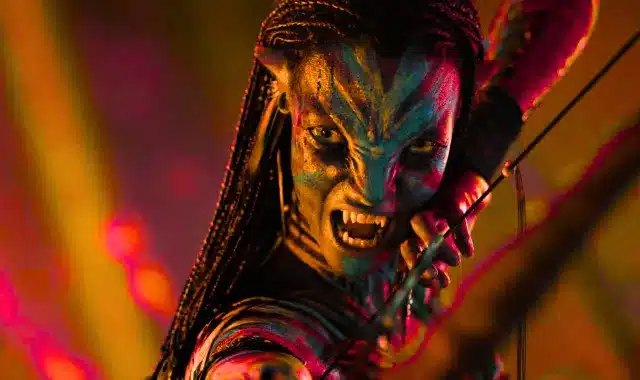
In conclusion, the Avatar Fire and Ash Reviews: Is James Cameron’s 2025 Epic Worth the Hype? confirm that the director’s vision remains as sharp as ever. By blending innovative CGI with a more mature and complex narrative, the film transcends the “popcorn movie” label to become a work of art. Whether it’s the breathtaking scenery or the intense action sequences, Fire and Ash is a monumental success that justifies every bit of the anticipation leading up to its release.
FAQs
Q: Is “Avatar: Fire and Ash” a direct sequel to “The Way of Water”?
A: W. Yes, it takes place shortly after the events of the second film and continues the story of the Sully family as they encounter new Na’vi clans.
Q: Do I need to see the first two movies to understand “Fire and Ash”?
A: W. While Cameron provides enough context for new viewers, the emotional stakes and character relationships are much deeper if you have seen the previous installments.
Q: Who are the “Ash People” that the reviews refer to?
A: W. The Ash People are a new Na’vi clan known as the “Varang.” They live in volcanic regions and are depicted as more aggressive and disillusioned than the clans we have met before.
Q: Is the movie available on streaming services yet?
A: W. As of late 2025, the film is in an exclusive theatrical window. It is expected to arrive on Disney+ approximately 6 to 9 months after its initial release.
Q: Is the 3D in this movie better than the previous ones?
A: W. Many critics argue it is the best 3D ever produced. Cameron used 2025-era technology to refine depth perception and eliminate the eye strain sometimes associated with the format.
Q: What is “Avatar: Fire and Ash”‘s age rating?
A: W. The film is rated PG-13. Reviewers note that it is significantly darker and more violent than the first two films, which parents should keep in mind.
Q: Will there be an “Avatar 4”?
A: W. Yes, James Cameron has already filmed significant portions of avatar fire and ash reviews, which is scheduled for release in 2029. Fire and Ash sets the stage for the events of that film.